
Packing a bug out kit is the easy part of preparing for a disaster. Deciding when to pick it up and walk out your front door is where most families freeze.
We all like to think we’ll just “know” when it’s time, but we should all learn from the past year. 2025 was the third-highest year for billion-dollar disasters in US history, from the record-shattering $61 billion wildfires in Los Angeles to the “flash droughts” that crippled the West.
While every prepper hopes their go-bag stays tucked away in a closet, the reality is that modern disasters occur more frequently now than ever. When SHTF, you’ll need a framework to decide “Do I stay and defend or do I go?”
At a Glance: Bug In or Bug Out 2026
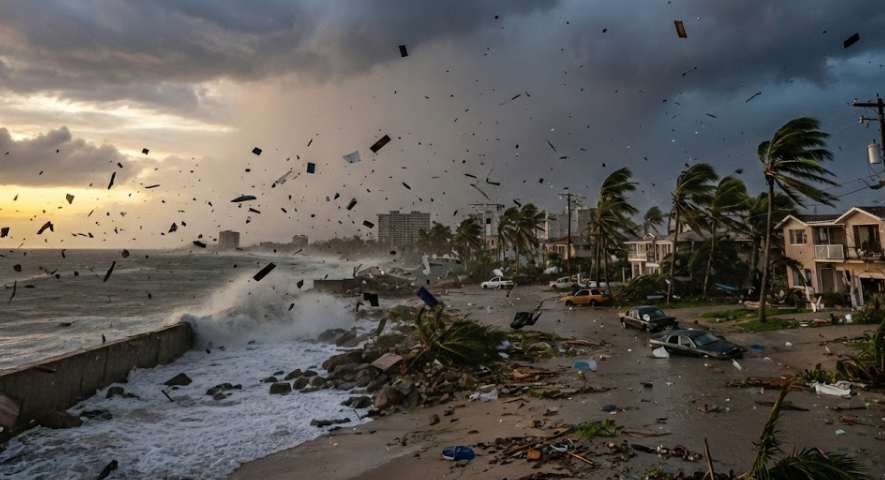
- The Threat Scenario: Severe weather brings simultaneous dangers like rapid storm surge, structural damage, and lethal flying debris.
- The Core Dilemma: You face one crucial decision when disaster looms: “Bug In” (shelter and fortify) or “Bug Out” (evacuate immediately).
- Why Timing Matters: You cannot plan during the chaos. Once winds reach gale force or streets flood, escape routes become deadly traps.
- The Goal: Remove panic by establishing pre-determined “trigger points” that dictate exactly when it’s time to stay or go.
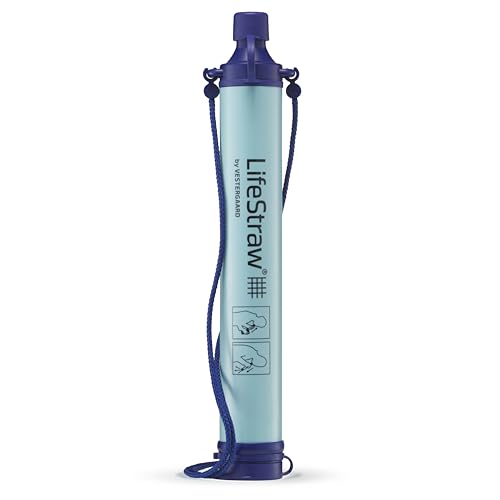
- Removes Bacteria & Parasites: The Microfiltration Membrane Removes 99.999999% of Waterborne Bacteria (Including E. Coli and...
- Removes Microplastics: Removes the Smallest Microplastics Found in the Environment (Down to 1 Micron), and Reduces Turbidity...
Last update on 2026-10-23 / Affiliate links / Images from Amazon Product Advertising API
(As an Amazon Associate, we earn from qualifying purchases.)
The 5 Decision Triggers: Stay or Leave?

During a disaster or emergency, emotions often run high and cloud judgment. Use these five objective triggers to determine whether to shelter in or bug out immediately.
1. Threat Proximity
Physical distance from danger determines your timeline. If you see smoke on the horizon or floodwaters at the end of your block, that means the clock’s running.
Action: Use Watch Duty for wildfire tracking or FEMA alerts for flood warnings. Level 3 evacuation order means grab your bag and go now.
2. Grid Status
Without electricity, your home becomes an oven in summer or icebox especially during winter. If the grid is projected to be down for 72+ hours and you lack solar backup, your home becomes unsafe.
Action: When sanitation fails, and you can’t manage waste or regulate body temperature, bug out to a location with working utilities.
3. Escape Window
Your bug out kit means nothing if you’re stuck on a parking-lot highway.
Action: Check Google Maps or Waze for red lines forming on backroads. If roads are clear now but clogging fast, you’ll most likely have a remaining two-hour window. After that, shelter in place beats being trapped in traffic during a fast-moving storm.
4. Shelter Capacity
Before deciding to stay, assess your supplies. Make sure you have at least a gallon of water per person per day available and a bug out medical kit aside from basic first aid.
Action: If your roof and windows are compromised or you can’t sustain your family for three days, relocate now.
5. Family Mobility
If you have infants or elderly parents on oxygen, a wilderness escape is high-risk. However, if staying means breathing toxic smoke or facing rising water, moving is the lesser of two evils.
Action: Use Zello to stay in touch with your out-of-area contacts so someone always has your GPS coordinates.
Here’s a quick summary chart of the 5 decision triggers:
|
Trigger | Stay (Bug In) if… | Go (Bug Out) if… |
|
1. Threat Proximity |
Danger is distant or contained. |
Mandatory evacuation orders are issued or danger is visible. |
|
2. Grid Status |
Power/water are stable or expected back in <72 hours. |
Grid is down for 3+ days with no restoration timeline. |
|
3. Escape Window |
Routes are clogged; home is safer than a gridlocked highway. |
Routes are currently open but projected to close within hours. |
|
4. Shelter Capacity |
You have 72+ hours of water, heat, and sanitation. |
Your home’s structural integrity or security is compromised. |
|
5. Family Mobility |
Moving vulnerable members (kids/elderly) is too risky. |
Staying is a greater threat to life than the risks of travel. |
Pro Tip: Download our [Free Scoring Guide + Printable Decision Card] to keep in your emergency binder.

- EMERGENCY ESSENTIALS: 98 first aid supplies to help care for minor wounds, cuts, scrapes and burns. Includes removable CPR...
- LABELLED FIRST AID KIT COMPARTMENTS: Labelled and organized inner compartments make it easy to find what you need in the case...
Last update on 2026-10-23 / Affiliate links / Images from Amazon Product Advertising API
Essential Gear: The 2026 Bug Out Kit List
If the triggers above force you to leave, you cannot afford to forget the essentials. A bug out kit will serve as your 72-hour life support system.
Bug Out Kit Essentials 2026
- Water: 1 liter per person per day + portable filtration (e.g., Sawyer Squeeze or LifeStraw).
- High-Calorie Food: Energy bars, MREs, or dehydrated meals that require minimal prep.
- Navigation: Physical maps of your state and “offline” GPS apps (rely on something other than live Google Maps).
- Personal Protection: Items to maintain your independence and safety in crowded public shelters.
The Bug Out Medical Kit
A standard first aid kit isn’t enough for a 2026 disaster scenario. Your bug out medical kit should specifically include:
- Trauma Supplies: Tourniquets, hemostatic gauze, and pressure bandages.
- Prescription Backup: A 7-day supply of essential family medications.
- Hygiene & Sanitation: N95 masks (for smoke/dust), hand sanitizer, and basic “field shower” wipes.
Emergency Preparedness Starts at Home
To stay ready this year, your household must commit to the three pillars of protection:
- Respond: Know exactly who does what when the sirens go off.
- Mitigate: Harden your home (surge protectors, storm shutters, fire-resistant landscaping).
- Recover: Have your “Family Operating Data” (insurance, deeds, IDs) digitized and place it in your bug out kit.
Responsibility starts with you. Schools don’t teach self-reliance; experience does. Don’t wait for a “tough taskmaster” like a natural disaster to teach you the value of preparation.
Don’t guess when disaster strikes. Get your exact “go” triggers now!
[DOWNLOAD THE FREE DECISION CHECKLIST]

- Massive 10000mAh Battery for Extended Emergency Power – Unlike standard models, this Emergency Weather Radio features a...
- PX6 Waterproof & Compact Design – Ready for Outdoor Use – Rated IPX6 water resistant, this emergency radio is protected...
Last update on 2026-10-23 / Affiliate links / Images from Amazon Product Advertising API
FAQs: Bug In or Bug Out 2026
What is the difference between “Bugging In” and “Bugging Out”?
Bugging In means sheltering in place at your current home using pre-positioned supplies to ride out the event. Bugging Out means evacuating entirely to a pre-planned safer location because staying is no longer viable.
When is it absolutely necessary to Bug Out (evacuate)?
You must evacuate immediately under a mandatory evacuation order. It;s also necessary if you live in a designated flood or storm surge zone, reside in a mobile or manufactured home, or if the approaching storm’s intensity exceeds your home’s structural rating.
Is it ever safe to shelter in place during a major hurricane?
Yes, provided specific conditions are met, such as your home is built to modern hurricane codes, is located outside flood zones, and has window impact protection. You must also possess sufficient supplies to survive weeks without utilities or emergency services.
What are the biggest dangers of waiting too long to decide?
Hesitation leads to being trapped by a rapidly rising storm surge that cuts off escape routes and airborne debris that makes travel deadly. Waiting too long risks being stranded in a compromised structure when emergency responders cannot reach you.
Want to know more? Check out these related articles:
Bugging Strategy for Survival: Bug In or Bug Out in an Emergency
Go Bag Upgrade: Spring-Clean Your Bug-Out Bag Today!
Disaster Preparedness: Reasons to Bug Out or Bug In
Editor’s Note: This post was originally published on January 30, 2015, and has been updated for quality and relevancy.