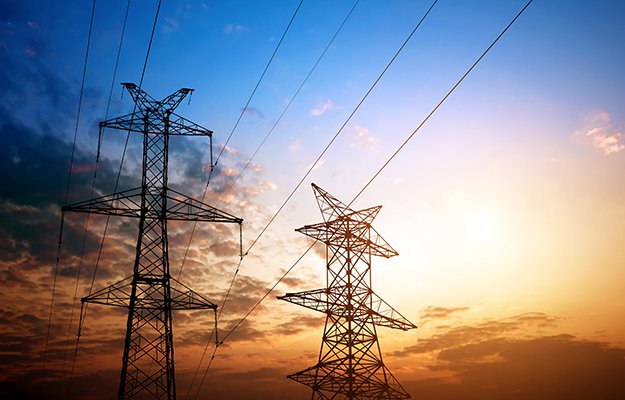
Constructing a national electric power grid began in 1934 when the federal government set standards and promoted the distribution of electricity across the country. Power lines were constructed to provide electricity to delighted citizens and interconnecting distant cities. Tall towers were installed to carry high-voltage that was then stepped down to levels that could be used in homes, offices, and businesses.
SPECIAL: Solar power battery charger saves americans over $3800 in power.
These towers formed a network of transmission and distribution lines that allowed utility companies to move electrical power around the nation and into and out of Canada and Mexico. New power generation plants were built with substations to condition the electricity so it could be passed along or stepped down for use locally. Long distance transmission lines extended to other power stations where distribution lines provided electricity to consumers.
Much of our current electrical grid was installed between the late 1930s and 1950s when superhighways appeared and electrical lines were connecting new cities almost overnight. This significantly increased demand for electrical power and taxed the existing power generation capabilities of the nation.
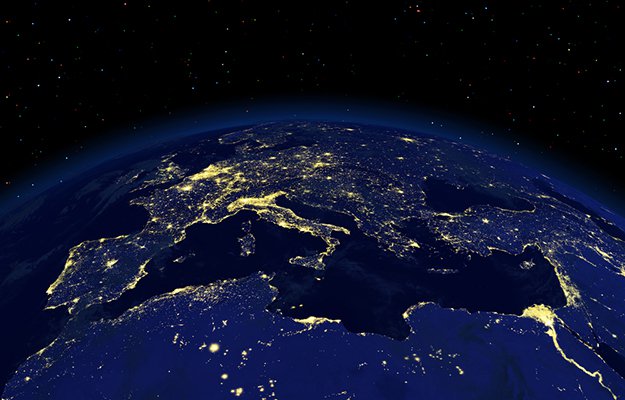
For 30 years the grid grew until over 160,000 miles of high-voltage lines had evolved into a huge network–the national power grid. This grid was growing so fast that thoughts of future upgrade were less important than keeping up with demand.
The popularity and use of electricity grew so fast that within a few generations demand for electrical power began to exceed the available supply, and the electrical grid came under severe stress. This demand continues to grow and today we consume almost five times the electricity that we did back in the 1950s. Yet there has been little improvement in the electrical infrastructure built so long ago.
Government and industry leaders should have aggressively addressed the pending problem as it developed, but a collective effort didn’t happen. Instead of constructing new power generation plants, distribution stations and transmission lines, our national leaders adopted energy policies that caused critical electrical sources such as improved coal-fired power plants to close and failed to support building advanced nuclear reactor power generation plants.
In addition, utility companies were reluctant to upgrade transmission lines unless the consuming public paid the bill and they were already cash-challenged. Upgrades are expensive and if the money wasn’t available, upgrade issues were pushed aside for someone else to handle. Government and utility companies chose instead to repair and maintain the aging electrical infrastructure. The result has been devastating–fewer power plants and less available electricity.
Now electrical power outages are darkening homes and communities. Outdated and aging power delivery systems are contributing to a crisis in electrical dependability, and utility companies and government entities are now racing to keep ahead of the crisis in obsolescence. We are all paying for their lack of due diligence.
Today we are experiencing an increase in sudden power outages and rolling blackouts. Failures of sections of our electrical grid are occurring more frequent with outages lasting longer. And some fear a complete collapse is coming. We all need to prepare for the day power goes out–because it will.
Whether you choose to invest in forms of power that are not grid reliant/alternative energy or to prepared for a life without a reliable source of power is up to you. No matter what you choose, the worst thing you can do it to not prepare for the inevitable. Are you prepared? Let us know how you plan for the grid failure in the comments.
Check out these related articles:
Power Grid Attack: Not Just Possible, But Likely
What Can Be Done to Protect the Power Grid?
What Would Happen If Our Transformers Were Attacked?
Like this post?
Be sure to like us on Facebook so you can be the first to know about latest survival tips and off the grid living skills.