
Last Updated: July 2026
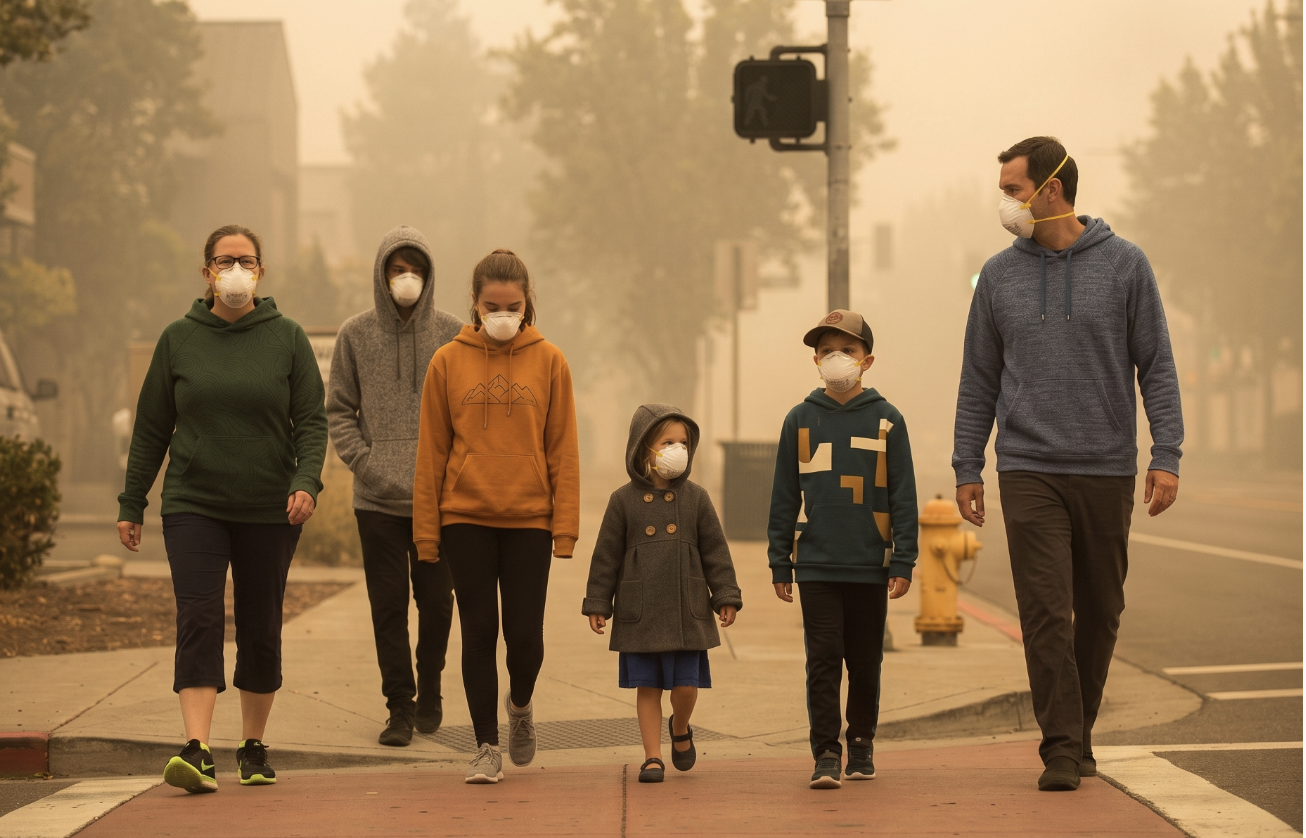
Wildfires already scorched millions of acres across North America this year. It led to forced evacuations and cast eerie red-orange skies over cities hundreds of miles away. But while the flames dominated the headlines, a quieter, more insidious threat can linger long after the fire moves on: smoke.
Wildfire smoke is more than just an unpleasant haze. It’s a health hazard made up of tiny particles and gases, particularly PM2.5, which stands for fine particulate matter less than 2.5 microns in diameter. These microscopic particles are small enough to slip deep into the lungs and cause serious health problems. The real danger? You don’t have to be near a fire to be affected.
What Makes Wildfire Smoke So Dangerous?
When organic matter like trees, brush, and manmade structures burn, they release a mix of pollutants such as PM2.5, carbon monoxide, nitrogen oxides, and volatile organic compounds. Depending on wind conditions, these pollutants can drift hundreds, even thousands of miles. The farther the smoke travels, the finer the particles become, which makes them even easier to inhale and harder to filter out.
Health experts have linked wildfire smoke to increased emergency room visits, respiratory flare-ups, and cardiovascular events. People with asthma, COPD, heart disease, or diabetes are especially at risk. So are older adults, pregnant women, young children, and outdoor workers. Even healthy individuals may experience symptoms during high-exposure days. That’s why it’s essential to understand how to protect yourself and your family before the next smoke event.
Can Wildfire Smoke Travel Across State Lines?
Yes. Wildfire smoke can drift for hundreds or even thousands of miles, meaning you do not have to be anywhere near the flames to be at risk. In fact, as smoke travels farther, the particles become finer, which makes them easier to inhale and harder to filter out of your lungs. This invisible threat is particularly dangerous for infants, young children, pregnant women, and the elderly. Because you cannot outrun the smoke, you must outprepare it by turning your home into a breathable safe zone.
5 Things NOT to Do IF Wildfire Smoke Hits Your Area
When wildfire smoke rolls into town, turning the sky a hazy orange and making the air smell like a campfire, our instinct is to adapt quickly. But many of the standard things people do to cool down, clear the air, or protect themselves actually end up making indoor air quality much worse.
|
1
|
DON’T rely on cloth or surgical masks |
Reaching for a blue surgical mask or cloth bandana is a complete waste of time. Wildfire smoke is packed with microscopic fine particle pollution (PM2.5) measuring less than 2.5 microns across—about 30 times smaller than the width of a human hair. Loose-fitting woven fabrics leave massive gaps that these micro-particles slip right through.
Stick strictly to well-fitting N95 or KN95 respirators that seal tightly against your face, or stay indoors whenever possible.
|
2
|
DON’T open your windows at night just because it “feels cooler” |
Cracking your windows after sunset is a trap. It might seem like a great way to cool down the house, but nighttime air during a fire event can actually be far more toxic. Smoke settles closer to the ground at night due to temperature inversions, where cooler air gets trapped under a layer of warm air.
Keep windows and doors tightly sealed around the clock until local Air Quality Index (AQI) levels officially return to safe green zones.
|
3
|
DON’T create extra indoor air pollution |
Stop burning candles, frying dinner, or vacuuming while trapped inside. When your home is sealed shut to block outside smoke, indoor air pollutants accumulate at double the speed. Searing meat on the stove, burning incense, and running standard vacuums (without HEPA filters) blast huge spikes of PM2.5 directly into your living room.
Opt for low-smoke cooking methods like microwaving or boiling, skip the candles, and hold off on heavy chores until the skies clear.
|
4
|
DON’T set your AC or car climate control to “Fresh Air” |
Default settings are secretly pulling smoke inside. Most home HVAC systems and car air vents default to pulling air directly from the outside. If you leave them on default during a smoke plume, you are actively pumping contaminated air into your living space and vehicle.
Always switch your car and home AC to Recirculate Mode.
|
💡 BONUS DIY HACK
Don’t Own an Expensive Air Purifier?Duct tape a MERV 13 furnace filter directly to the back of a standard 20-inch box fan. It costs around $25 to build and cleans the air in a room just as effectively as a $200 brand-name purifier. |
|
5
|
DON’T trust your eyes or nose over real-time AQI data |
Assuming the air is safe because you don’t smell smoke is a dangerous gamble. The larger carbon particles that carry that heavy “campfire” smell settle out of the air much faster than invisible microscopic PM2.5 particles. Air can look surprisingly clear while still holding hazardous pollution levels.
Don’t guess. Check real-time monitoring apps like AirNow.gov or PurpleAir before planning any outdoor activities.
Quick Question for You: Have you ever caught yourself doing one of these #5 mistakes during a smoky day? Hit the comments sections below and let’s discuss. I read every response!
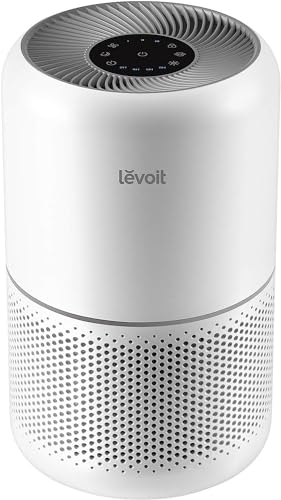
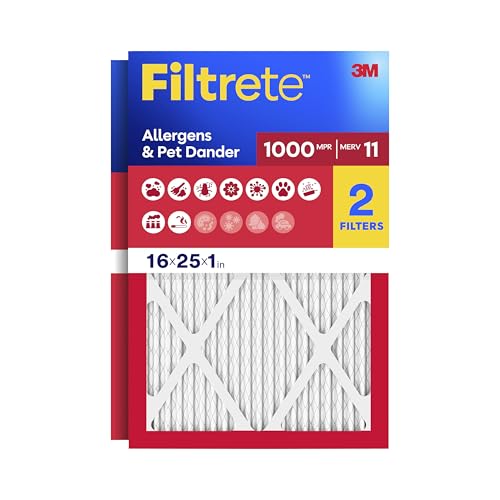
Seeing those record-breaking fires in the news made “good enough” feel pretty risky, and I’m tired of worrying about those invisible toxins and PM2.5 junk getting into my kids’ lungs. So I finally bit the bullet and upgraded our entire defense system last week. I put together a clean air setup that’ll keep our home breathable in case the smoke drift gets here. Here’s my Wildfire Smoke Preparedness Haul:


Last update on 2026-10-09 / Affiliate links / Images from Amazon Product Advertising API
More Tips on How to Protect Your Family From Wildfire Smoke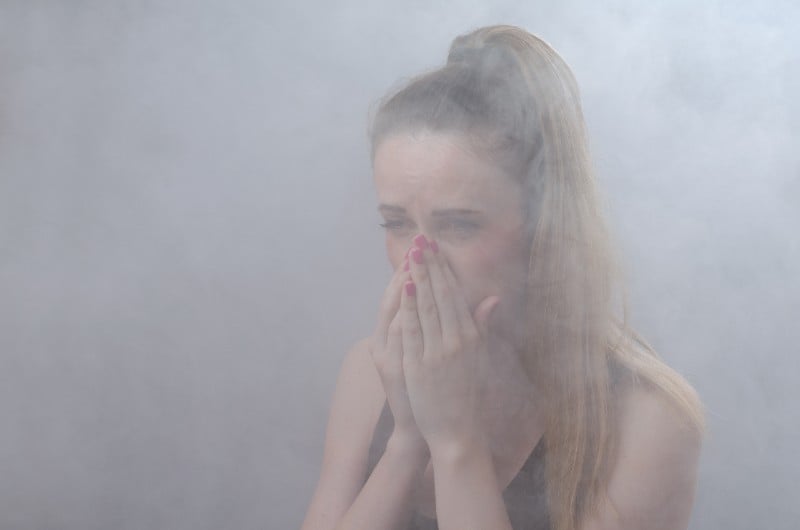
Even when the flames are far away, the smoke can settle right where you live and turn everyday air into a health hazard. Here’s how to shield yourself and your loved ones from the wildfire smoke.
1. Stay Indoors and Seal Your Shelter
When air quality deteriorates, staying inside becomes your first line of defense. Keep all windows and doors closed. Shut off fresh air intakes from HVAC systems, fireplaces, and bathroom fans that could pull smoky air indoors. If you have air conditioning, run it in recirculate mode to avoid drawing outdoor air into your home.Designate one room as your “clean room,” ideally a space with few windows and tight seals. This room should be your go-to space during heavy smoke days.
2. Mask Up Properly If You Must Go Out
If you absolutely must go outside, protect your lungs. A well-fitted N95, KN95, or P100 respirator is your best option for filtering out harmful fine particles. These masks are designed to seal tightly around your nose and mouth and can block particles as small as 0.3 microns.Avoid using cloth or surgical masks as they don’t offer reliable protection against wildfire smoke. Similarly, a poorly fitted mask offers a false sense of security and allows dangerous particles to seep in through gaps.
3. Listen to Your Body
Wildfire smoke affects everyone differently. You may feel completely fine one day and struggle to breathe the next. Mild symptoms include coughing, sore throat, irritated eyes, and headaches. But more serious symptoms like chest pain, shortness of breath, fatigue, or dizziness require immediate medical attention.If you have a chronic condition like asthma or heart disease, make sure your medications are current and accessible. Carry your rescue inhaler if prescribed and don’t assume you can “push through it.” Rest and indoor air are your allies.
4. Stay Informed and Plan Ahead
Wildfire smoke conditions can change rapidly with shifts in wind and weather. Use apps like AirNow, SmokeSense, or Canada’s AQHI to monitor real-time air quality and receive alerts for your area. These tools can guide decisions about when to stay indoors, when to open windows briefly, or when it’s safe to travel.Preparation doesn’t start when you smell smoke. It starts long before that. Stock up on masks, clean your air purifiers, and review your emergency plans regularly.
I also put our 10-minute family wildfire drill into a quick PDF right here if you want a simple way to get everyone out the door before the smoke gets too thick to see the end of the driveway.
Final Word: You Can’t Outrun the Smoke, but You Can Outprepare It
Wildfire smoke may not move as fast as fire, but it does reach further and linger longer. And while it doesn’t always bring visible destruction, it can increase health risks.So stay aware and remain indoors. And remember, the clearer the air inside your home, the stronger your chances of coming through the next wildfire season safe and healthy.FAQs About Wildfire Smoke Safety
- What is PM2.5 in wildfire smoke?
PM2.5 refers to fine particulate matter smaller than 2.5 microns. These tiny particles can travel deep into your lungs and even enter your bloodstream, posing serious health risks. - Who is most at risk from wildfire smoke?
Older adults, young children, pregnant women, and individuals with respiratory or heart conditions like asthma, COPD, or heart disease are particularly vulnerable to the effects of smoke. - Can staying indoors really protect me from smoke?
Yes, staying indoors can significantly reduce your exposure—especially if you seal your home properly and use air purification methods to clean the air inside. - What kind of mask should I wear during smoky conditions?
A properly fitted N95, KN95, or P100 respirator offers the best protection against fine particles in wildfire smoke. Cloth and surgical masks do not filter out PM2.5 effectively. - How can I filter the air in my home?
Use a portable HEPA air purifier or create a DIY air cleaner with a box fan and a furnace filter. Avoid activities that worsen indoor air quality, like burning candles or vacuuming. - Should I exercise when the air quality is bad?
No. Physical activity increases how much air—and smoke—you breathe in. Limit exercise and outdoor work until air quality improves. - What are the symptoms of smoke exposure?
Symptoms can include coughing, sore throat, burning eyes, headaches, and shortness of breath. Severe symptoms like chest pain or dizziness require medical attention. - Are pets affected by wildfire smoke?
Yes. Pets can suffer from smoke exposure just like humans. Keep them indoors with plenty of clean water and consult a veterinarian if they show signs of respiratory distress. - How do I know when it’s safe to go outside again?
Use air quality monitoring tools like AirNow, SmokeSense, or AQHI to check local conditions. Wait for a “good” or “moderate” air quality rating before resuming outdoor activities. - Can repeated exposure cause long-term health issues?
Yes. Prolonged exposure to wildfire smoke may increase the risk of chronic respiratory and cardiovascular diseases, as well as weaken your immune system over time.
QUICK POLL
If wildfire smoke hits “Hazardous” levels, should local officials bring back mandatory outdoor mask mandates?
Let’s discuss why in the comments below.