
Learn to tell venomous snake look-alikes from the real deadly ones with this guide before you go and conquer the wild or your backyard.
RELATED: Snake Bite Survival
Venomous Snakes Look-Alikes You Need to Know
Venomous Snakes in the Outdoors
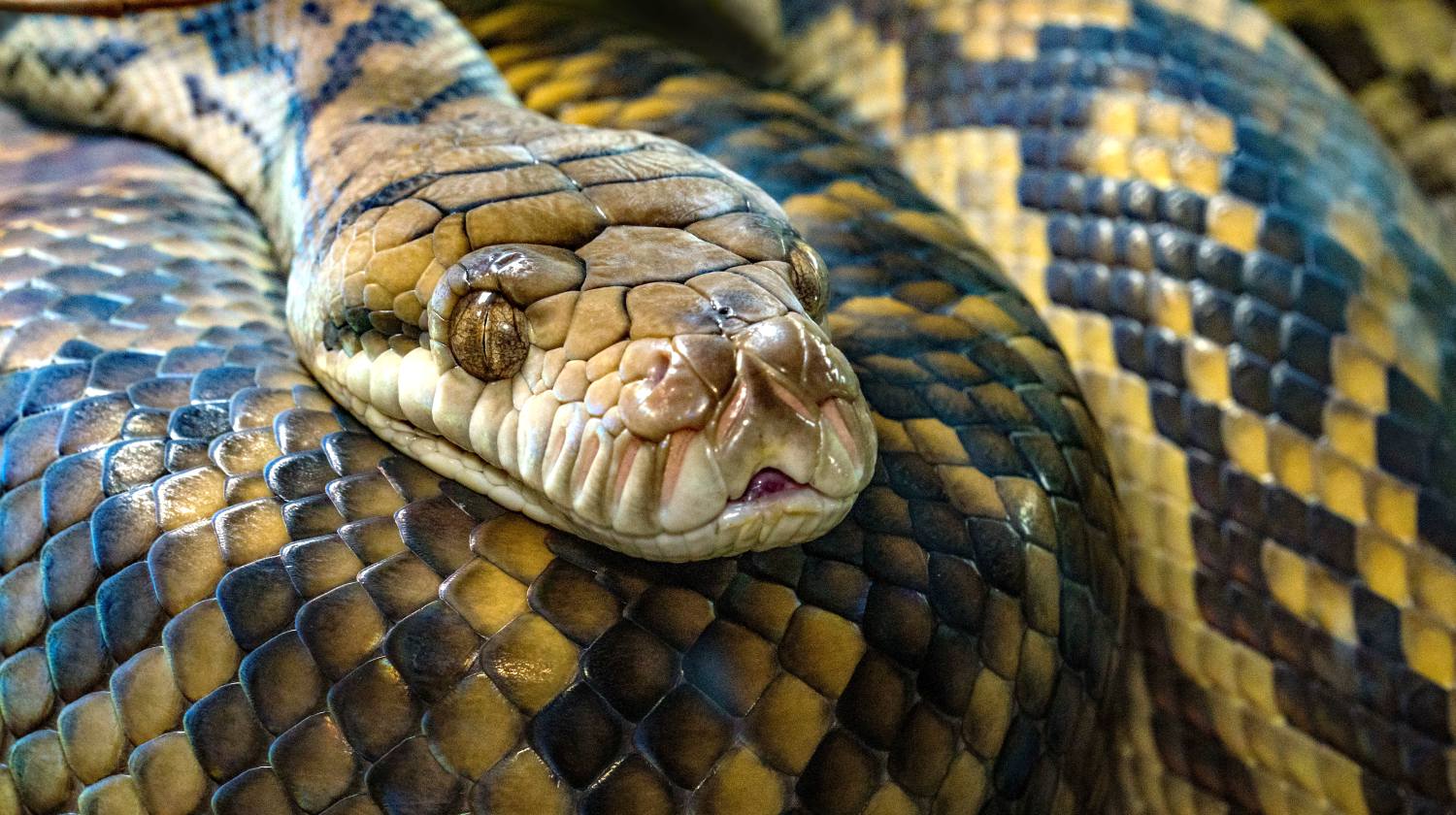
There are over 600 species of venomous snakes on this planet, but only 200 of them can cause real harm to us.
With the weather getting warmer and the sun shining brighter, many of us are spending a great deal of time outdoors. And the longer we spend time outdoors, the higher the possibility of encountering different types of venomous snakes is higher.
That is why it is of utmost importance to distinguish between poisonous and non-poisonous snakes.
I am barefoot more often than not, especially when I’m outside. The other day, while I was walking down a path in the woods, I came close to stepping on a water snake while it was peacefully sunbathing.
I must admit I was startled, and so was the poor snake. Good thing they typically take off when encountered by a human.
It’s important to know the snakes in your area, especially if you love being outdoors. It’s good to remember we’re not the only ones enjoying the sunshine!
We must coexist with them on this planet. This article is going to cover some of the most common venomous snakes in the U.S. and their non-poisonous look-alikes.
1. Eastern & Western Diamondback Rattlesnakes
The Eastern Diamondback rattlesnake is located in Eastern and Southeastern states and the Western Diamondback is located in Southwestern desert land. You can find them hanging out in places like dry pine flatlands, sandy woodlands, and in coastal scrub habitats.
The western species live in grassy plains and rocky hillsides. Some of their look-a-likes are the gopher snake, bull, and pine snakes. Both of them are extremely venomous pit vipers and regarded as two of the deadliest North American snakes.
2. Eastern & Western Coral Snakes
There’s an old coral snake rhyme which goes “red touch yellow, kills a fellow, and red on black is a friend of Jack.”
It’s a good one to remember because that’s how you can determine whether the snake is the venomous coral snake or a non-poisonous look-alike.
The Eastern coral snake is native to Southeastern states, while the Western coral snakes are located along the coastal plains. Coral snakes enjoy the wooded, marshy, sandy ground and hide in leaf piles.
This deadly reptile has venom packed with dangerous neurotoxins. If left untreated, it could cause cardiac arrest.
As a matter of fact, they have the second strongest venom in all of the snake species, next to the Black Mamba. A coral snake look-alike includes the scarlet kingsnake, Florida scarlet snake, and milk snakes.
If you happen to come across a coral snake, make sure you have a watchful eye. They have a trick where they lift their tail up and move it to make you think it’s their head, and then attack you from the opposite angle.
3. Copperheads
Rattlesnakes are not the only pit viper thriving in the Southwest. These rusty colored beasts are native to the North, Northwest, Southern, and Southeastern states.
Copperheads are fond of ecotones, which is why they can be found in rocky wooded mountainsides and sunny thickets, to suburban areas under some pile of woods.
What Is Ecotone? This is an area in the environment where two communities encompass each other. That area of transition is called an ecotone.
A copperhead snake may not be as venomous as a fierce snake or an inland taipan, but their bite is extremely painful.
Its venom may not be very potent, but you should respect it. If you get bitten, seek help immediately.
Something you should know is that they are the most likely to strike and bite out of all the snakes on this list. So if you see one, avoid it as much as possible.
Some of the copperhead’s look-a-likes are the Eastern rat snake and black racer snake. A northern water snake, Mole Kingsnake, corn snake, and Eastern hognose snake are also copperhead look-alikes.
RELATED: One Quick, Simple, & Dirty Way To Deal With Snakes
4. Cottonmouths
Cottonmouths are also known as water moccasins. The name cottonmouth was chosen because when they open their mouth really wide, it looks like a white ball of cotton in there.
These venomous snakes like the heat and are native to Southeastern states such as Arkansas and Texas, although they have been seen elsewhere.
These semi-aquatic snakes live close to bodies of water with rocky banks for them to sunbathe on. They rarely bite humans unless these pit vipers are threatened.
You can find them in and around creeks, ponds, lakes, rivers, and rocky marshes. Their bite can be potentially fatal, causing anaphylactic reactions.
Some of the cottonmouth’s look-a-likes consist of the Northern water snake, brown water snakes, and red-bellied water snakes.
5. Timber Rattlesnakes
Timber rattlesnakes are one of the few snakes that thrive in the Northeastern United States. They enjoy nesting in deciduous forests, rough and rugged terrain, as well as on rocky ravines and ledges.
These snakes have massive fangs and can distribute a large amount of venom into their victim, making them dangerous and feared. There are some water snakes that resemble the timber rattler, but this slithering snake has distinct markings.
Orry Martin shows a video of a coral snake vs a milk snake:
There are venomous and dangerous creatures anywhere you roam. It’s wise to know where they live and avoid any issues, as well as to enjoy the beauty offered. If you love going outdoors, I highly suggest learning about the specific venomous snakes vs. the look-alikes in your region.
If you study them, you’ll notice certain ways to tell the venomous apart from the non-venomous pet snakes. Things like the shape of their head, their markings, the shape and size of the pupils, and their size and features. Some snakes produce a strange smell to warn predators that they are around. Some smell like cucumbers while others smell more like menthol.
I hope you’ve learned a thing or two, and I encourage you to reach out and teach me some of your wisdom as well. Happy Trails!
Do you know of other venomous snakes and their look-alikes? Please share them with us in the comments section below!
Up Next:
- Survival Food | How To Catch, Cook, & Eat Snakes For Survival
- Venomous Snakes Of North America
- How To Prevent And Treat Poison Ivy, Oak, And Sumac
Follow us on Facebook, Instagram, Twitter, Pinterest, and Tumblr! **Disclaimer: All content on this site is for informational purposes only. Please read our full disclaimer here**Editor’s Note: This post was originally published in July 2017 and has been updated for quality and relevancy.