Quick Summary: What Should You Do During Winter Power Outages?
- Prepare before the outage with a 72-hour winter survival kit, backup power, and a family communication plan.
- Stay indoors and conserve heat by layering clothing, closing off rooms, and sealing drafts.
- Avoid carbon monoxide risks; never run generators, grills, or fuel-burning heaters indoors or in garages.
- Protect food and plumbing by keeping fridge/freezer doors closed and preventing frozen pipes as temperatures drop.
- Restock and reset after power returns by checking food safety, inspecting pipes, recharging gear, and rebuilding supplies.
Related: Alternative Heat Sources to Use for Power Outages
How to Prepare for Winter Power Outages (Before the Lights Go Out)
Winter power outages are more than an inconvenience in freezing temperatures; they can quickly become a serious survival situation. When the grid goes down, heat, light, food safety, and communication disappear fast. Without preparation, even a short outage can put your family at risk.
This guide breaks down exactly how to prepare for a winter power outage, what to do when the power goes out, and how to stay safe until it’s restored. It combines proven survival tactics with modern safety guidance so you can handle winter blackouts with confidence, not panic.

BEFORE the Outage: Winter Power Outage Preparation
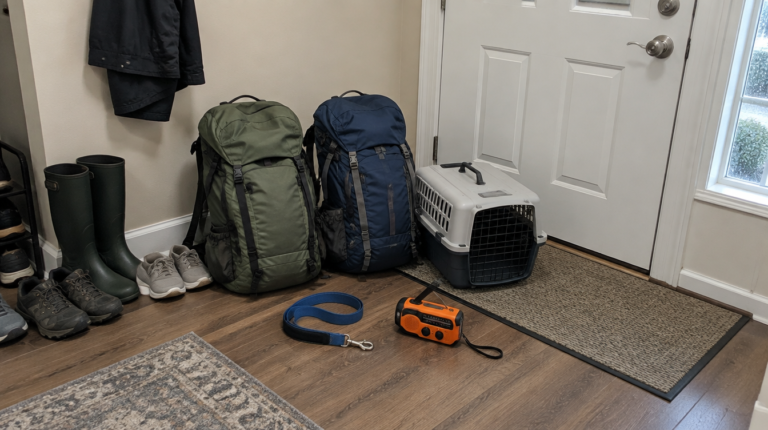
If you wait until the lights go out, it’s too late. Preparation is what separates inconvenience from a life-threatening situation. Build a Winter Power Outage Survival Kit and plan to be self-sufficient for at least 72 hours.
Core survival supplies:
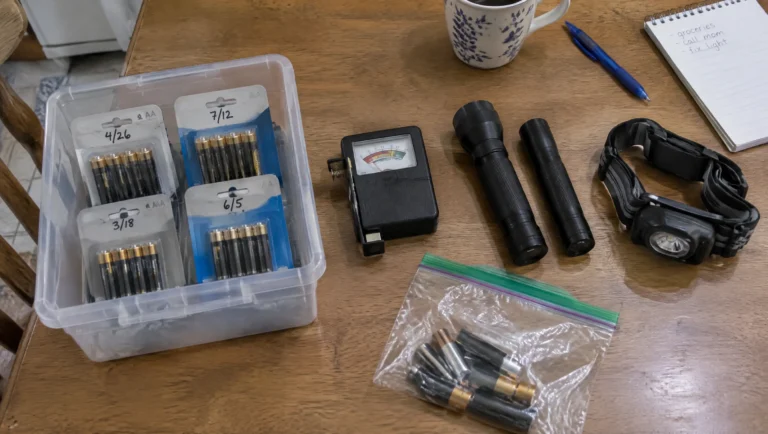
- LED flashlights or headlamps (battery or hand-crank)
- Extra batteries
- Portable power bank or solar charger
- Battery-powered or crank emergency radio
- Bottled water (1 gallon per person per day)
- Shelf-stable food that doesn’t require cooking
- Manual can opener
- Heavy blankets, sleeping bags, cold-weather clothing
- First aid kit + prescription medications
- Carbon monoxide detector with battery backup
Prep Your Home Before the Cold Hits
- Insulate exposed pipes and seal drafts
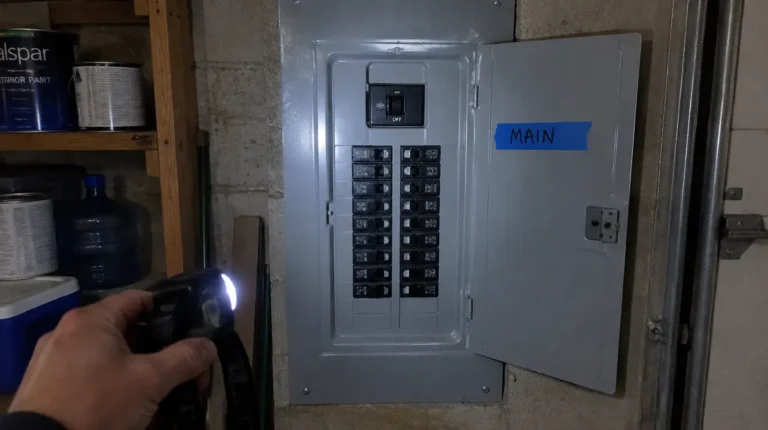
- Know how to shut off your main water valve
- Set fridge and freezer thermometers (40°F is the danger line)
- Fully charge phones, battery packs, and medical devices
Plan Your Communications
- Sign up for power company outage alerts
- Enable emergency weather alerts on your phone
- Establish a family communication plan

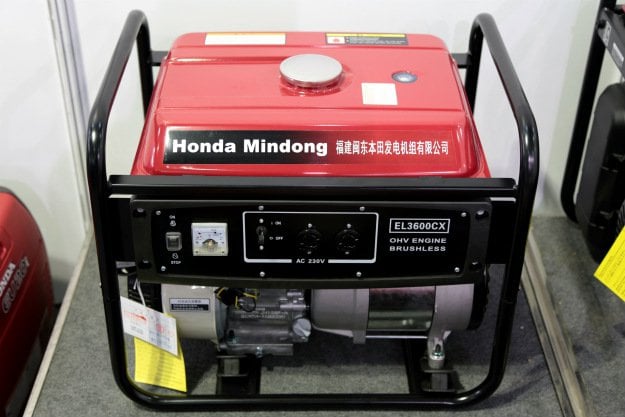
- This solid, well-engineered generator is durable, easy to use and perfect for RVs, DIY projects, and emergency back-up power
- Fuel efficient Cat OHV engine with splash lubrication and cast iron sleeve for longer engine life
Last update on 2026-10-12 / Affiliate links / Images from Amazon Product Advertising API
(As an Amazon Associate, we earn from qualifying purchases.)
DURING the Outage: Staying Warm and Alive
When the power goes out in winter, your priorities are heat, safety, and avoiding deadly mistakes. This is where preparation pays off and where bad decisions can turn fatal.
Conserve Heat First
- Wear layered clothing and keep hats on indoors
- Close off unused rooms to trap warmth where you live
- Block drafts with towels, blankets, or spare clothing
- Never use ovens, grills, or camp stoves to heat your home; this creates a serious carbon monoxide risk
Generator and Heater Safety (Non-Negotiable)
Improper generator use kills people every winter. Don’t become a statistic.
- Run generators outdoors only, at least 20 feet from doors and windows
- Never operate generators in garages, basements, or near vents
- Use only outdoor-rated extension cords
- Never use charcoal grills or propane heaters indoors unless clearly rated for indoor use
If it burns fuel, it belongs outside.
Food Safety Without Power
Food poisoning during a winter outage makes a bad situation worse.
- Keep refrigerator and freezer doors closed
- Refrigerators stay cold for about 4 hours if unopened
- Full freezers can maintain safe temperatures for up to 48 hours
- When in doubt, throw it out. Getting sick weakens your ability to stay warm and alert
Prevent Frozen Pipes
Frozen pipes can cause thousands of dollars in damage, even during short outages.
- Let faucets drip if indoor temperatures drop
- Open cabinet doors under sinks to allow warm air circulation
- Thaw frozen pipes slowly using warm towels
- Never use an open flame
AFTER Power Is Restored
Once power is restored, the danger isn’t automatically over. Take time to assess damage, confirm food and home safety, and reset your preparedness so you’re ready if the next outage hits sooner than expected.
- Inspect food and discard unsafe items
- Check pipes for leaks
- Restart heating systems carefully
- Recharge power banks and radios
- Rebuild your outage kit immediately
Modern Survival Upgrades (2025 Reality)
Old-school prep still matters, but modern tools make outages easier to survive.
- Portable power stations for phones, radios, and CPAPs
- Solar chargers for extended outages
- Whole-home battery backups as generator alternatives
- EV owners: keep winter charge levels higher for emergencies
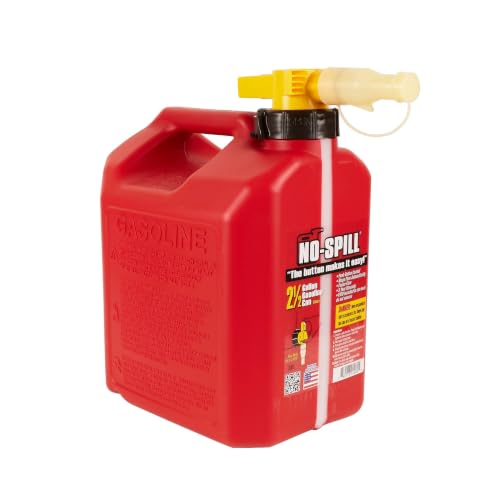
- Thumb button control for precise pouring
- 7/8-inch funnel spout fills even the smallest equipment
Last update on 2026-10-12 / Affiliate links / Images from Amazon Product Advertising API
Stock Up On Enough Food And Water To Last 1 to 2 Weeks.
Most power outages never last that long, but just to be on the safe side.
- You will need about one gallon of water for each adult, child, and pet per day.
- Food should not require cooking or refrigeration, and should provide balanced nutrition.
Here is an example list of non-perishable foods to stock up on for potential power outages this winter season:
- Canned foods such as tuna, salmon, sardines, corned beef, beets, beans and fruit.
- Peanut butter or similar nut spreads and preserves (jellies, jams)
- Dried fruits and nuts
- Dry cereal or granola
- Powdered or canned milk
- Protein bars and protein shakes

Other Items To Stock Up On
- Over-the-counter medications as well as prescription medications
- Diapers
- Baby formula and/or baby food
- A non-electric can opener
- Charcoal or propane for the grill
- Pet food
- Batteries and a Solar-Powered Battery Charger
- Cat litter
- Paper towels
- Paper plates
- Plastic utensils
- Toilet paper
- Extra blankets
- Winter gloves, scarves, hats, socks, and coats
Winter Power Outages Demand Preparation, Not Panic
Winter power outages are no longer rare events; they’re a predictable part of modern life. When the grid fails in freezing temperatures, your comfort, safety, and survival depend on what you’ve done ahead of time. The right supplies, the right decisions, and a clear plan can mean the difference between riding out an outage safely or facing serious risk.
Don’t wait for the next storm warning. Build your winter outage kit now, review generator and heating safety rules, and make sure your household knows exactly what to do when the power goes out. Preparedness isn’t fear, it’s responsibility.
Take action today:
Don’t wait for the next winter storm to expose gaps in your preparedness. Take time now to inspect and upgrade your winter power outage supplies, review generator and heating safety rules, and make sure everyone in your household knows the plan when the lights go out. Preparation isn’t about fear or panic; it’s about protecting your family, your home, and your ability to stay warm and safe when the grid fails.
When winter hits hard, the prepared stay warm and stay alive.
Frequently Asked Questions About Winter Power Outages
- How long can you safely stay in a house without power during winter?
You can remain in your home as long as indoor temperatures stay safe, typically above 50°F, and you have adequate warmth, food, and water. If temperatures drop too low or conditions become unsafe, follow local authority guidance on shelters or evacuation. - Is it safe to use a generator during a winter power outage?
Yes, but only if it’s used outdoors, at least 20 feet away from doors and windows. Never run generators in garages, basements, or near vents. Carbon monoxide poisoning is one of the leading causes of death during winter outages. - Can I use a propane heater or grill indoors to stay warm?
No. Most propane heaters and all grills are unsafe indoors unless specifically rated for indoor use. Fuel-burning devices can produce deadly carbon monoxide even if you crack a window. - How long does food last in the fridge during a power outage?
-
- Refrigerators stay cold for about 4 hours if unopened
- Full freezers can stay cold for up to 48 hours
If food rises above 40°F for more than 2 hours, discard it. When in doubt, throw it out.
-
- What’s the best way to prevent frozen pipes during an outage?
-
- Let faucets drip when temperatures fall
- Open cabinet doors under sinks
- Keep interior doors open to circulate warm air
If pipes freeze, thaw them slowly using warm towels, never open flame.
-
- Are candles safe during a winter power outage?
Candles provide minimal heat and increase fire risk. Use them sparingly for light only, keep them away from flammable materials, and never leave them unattended. Battery-powered lighting is safer. - Should I leave my home during a winter power outage?
Only leave if indoor conditions become unsafe or authorities issue evacuation instructions. If you do leave, shut off the water if possible and take emergency supplies with you. - What are the most important items for a winter power outage kit?
At minimum:-
- Flashlights and batteries
- Backup power or solar charger
- Water and non-perishable food
- Warm clothing and blankets
- Emergency radio
- First aid kit and medications
- Carbon monoxide detector
-
Have a power outage tip you would like to share? Tell us in the comment section below.
Want to learn more? Follow us on Facebook and Twitter for the latest survival tips and news! If you’re looking for some emergency power outage supplies, check these out!
- Never find yourself stuck without a backup power source with this DuroMax Portable Gas Electric Start Generator
- Be sure you’re prepared with extra gasoline stored in a safe No-Spill 1405 2-1/2-Gallon Poly Gas Can
- Prepare for an emergency power outage in advance by cutting up some wood with the Fiskars X27 Super Splitting Axe